

Diesel engines are becoming more common than ever before in today’s world.
Although this technology was originally mostly used in commercial and governmental applications, the popularity of diesel engines for private vehicles has dramatically increased over the last two decades.
This is especially true in the field of high performance diesel power trains.
The Rise of High Performance Diesel Engines
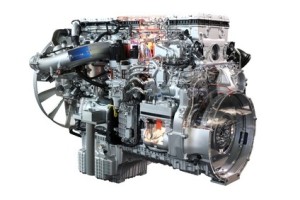 Although diesel engines have long been used for private passenger vehicles in Europe, their popularity in America has been a relatively recent phenomena. Diesel engines have traditionally been seen as more appropriate for commercial use, for example as the power source for construction equipment. Attempts to introduce diesel engines to the passenger vehicle market in the 1970s proved to be largely unsuccessful due to a variety of issues.
However, improvements in diesel technology, coupled with the diesel engine’s tolerance of a wide range of fuel types has dramatically improved this technology’s attractiveness to the modern consumer. Today, many high performance and luxury vehicles either come with a diesel engine as a standard package or as an option for the purchaser. Many of these owners find the durable and fuel efficient diesel engine to be far superior to traditional gasoline powered internal combustion engines.
This trend is almost certain to continue due to ongoing changes in America’s economy. Although gas prices fluctuate, the growing demand for gasoline on the part of rising industrial powers such as China makes it almost certain that the gas prices will continue to see a long-term upward trend. Because diesel engines are easily capable of using bio diesel fuels and other fossil-fuel substitutes, diesel engine owners are likely to find themselves enjoying more stable fuel prices than those who own gasoline-powered vehicles.
The Need for Diesel Mechanics
This growth in the popularity of high performance diesel power trains will see a concurrent growth in the need for skilled diesel mechanics. In fact, according to the Bureau of Labor Statistics (BLS), there will be over 272,000 diesel mechanic and technician jobs by 2022.
Many of these jobs will require a skilled mechanic who can effectively work with high performance diesel engines. Depending on changes in the price of fossil fuels, the BLS may have actually underestimated the likely rate of job growth for diesel mechanics.
In addition, diesel mechanics and technicians will earn a median annual salary of over $42,000. In addition, many job positions will include generous benefits packages, including health insurance, paid vacations and sick leave. This makes this field an ideal one for individuals who are seeking to raise a family.
Becoming a Diesel Mechanic
Although diesel mechanics do not need a license to practice, most potential employers prefer to hire mechanics who have completed a formal program of training. By doing so, the employer can be assured that the mechanic is fully prepared to work on all types of diesel engines. Furthermore, by eliminating the need for on the job training, the new employee can immediately start working.
Diesel engine programs are offered by community colleges, vocational schools and some adult education centers with a variety of course and program options. These programs will combine academic instruction with hands on practice in order to ensure that every student is fully prepared to carry out all of his or her duties. Diesel mechanic training programs can vary, but they will always cover the following subjects.
- Basic principles of diesel engine technology.
- Diesel engine and power train repair techniques.
- Modern computer based diagnostic and repair systems for diesel engines.
- Maintaining emission control systems in order to ensure that the diesel engine remains in compliance with state and federal pollution standards.
In most cases, a diesel program will take anywhere from several months to two years depending on the student’s schedule and the specific nature of the program. Upon completion of the program, the student will receive either an associate’s degree or certificate of completion.
Students who receive an associate’s degree from a community college can use some of their course work to fulfill the coursework requirements of many four-year colleges. This can be useful for those individuals who intend to obtain an advanced degree in this field.
ASE Certification
After graduation, many individuals who are planning to work on high performance engines seek to obtain one of the certification programs offered by the National Institute for Automotive Service Excellence (ASE). These certification programs usually require that the mechanic have at least two years of experience or has completed an approved apprenticeship program.
ASE certifications cover a wide range of areas and can dramatically improve a mechanic’s professional prospects. Because they are regularly updated, individuals who have a current ASE certification are seen as being capable of providing high quality service to their clients.
Finally, since ASE certifications must be updated on a regular basis, they can be useful for those individuals who wish to make certain that they are remaining current with modern diesel technology.
The Future of High Performance Diesel Engines
As diesel engines become more common in the private sector, there will be a growing demand for local diesel engine service centers. For this reason, it is likely that diesel mechanics will find far more employment opportunities in local garages. In addition, since many diesel powered high performance vehicles will have long-term warranties, it is likely that manufacturer and dealer repair centers will also see a growth in the number of available positions for qualified mechanics.
Finally, because the owners of high performance vehicles demand only the best care it is likely that qualified diesel mechanics will likely enjoy higher salaries. This will be especially true for those mechanics who are ASE certified in one or more areas or who have a large amount of work experience in this field.
The repair and maintenance of high performance diesel engines is a growing field in today’s American auto sector. For this reason, individuals who are interested in a professionally rewarding and personally challenging career should seriously consider becoming a qualified high performance diesel mechanic.